Tyres never choose a convenient moment to fail. A roofing nail at 6 a.m. on a ring road, a kerb strike just after midnight in a quiet suburb, a sidewall bulge revealing itself when you load the car for a dawn airport run. The gap between a minor delay and a spiralling ordeal often comes down to minutes, preparation, and whether you know how to summon help that travels to you. That is the promise of 24 hour mobile tyre fitting: the ability to go from stranded to sorted without a tow, a taxi, or a day derailed.
I have spent enough cold nights by the hard shoulder and early mornings on grit-sprinkled driveways to know the difference between a slick roadside rescue and a messy wait. This guide distils that experience. It maps how emergency mobile tyre fitting works, which options suit which problems, what you should ask before you book, and how to weigh speed, safety, and cost whether you are driving a hatchback, a loaded van, or a performance car with staggered wheels.
What 24 hour mobile tyre fitting really means
Round-the-clock coverage sounds simple, but it hides three moving parts: availability of technicians, availability of the right tyre, and legal or environmental constraints that affect where the work can happen. When a service advertises 24 hour tyres or 24 7 mobile tyre fitting, they generally mean dispatch capacity at any time. That does not always guarantee every tyre size, speed rating, and load index at 3 a.m., nor does it promise roadside work in every location. Understanding the scope helps set expectations and avoid surprises.
At its core, emergency mobile tyre fitting is a rolling workshop. Vans carry compressors, bead breakers, balancing machines, jacks, impact tools, torque wrenches, valve hardware, patch kits, sealants, adhesives, and TPMS equipment. Technicians can remove, repair, replace, and balance a tyre where your vehicle sits, whether that is a motorway lay-by, a multistorey car park, a farm track, or your office forecourt. When conditions or regulations prohibit roadside work, they may escort you to a safer pull-off or a service area, fit a temporary solution to reach home, or coordinate a controlled tow.
Emergency tyre fitting, emergency tyre replacement, and emergency tyre change describe slightly different actions:
- Tyre repair is viable when the puncture sits in the tread area, the hole is typically 6 mm or smaller, and the carcass has not been compromised. The safe method is a mushroom plug and patch from the inside. String plugs inserted from the outside are temporary. Tyre replacement covers any situation where repair is unsafe or illegal: sidewall damage, cuts, blowouts, aged or heat-damaged casings, punctures near the shoulder, secondary damage from running flat, or tread worn to the limit. Tyre change may refer to swapping wheels with a spare or replacing a damaged wheel and tyre assembly, common on vans and SUVs after pothole strikes.
The service model is flexible. A 24 hour tyre repair can be a same-night patch on your driveway, while a 24 hour tyre fitting might involve sourcing a matching tyre at 1 a.m., fitting it on the roadside, and torqueing the nuts by torchlight, then returning in daylight to retorque and check pressures. The best operators design around safety first, speed second, and cost control third, and they explain those trade-offs before you book.
When repair is safe and when it is not
I have seen drivers who insisted on a repair for a sidewall nail to “get them home,” and I have seen shredded tyres that looked fine until the bead was broken and the inner liner told the story. The decision to repair is not a matter of convenience but of standards and physics.
A professional mobile tyre technician will use these criteria:
- Location of damage: Repairs are approved in the central tread zone. Shoulder or sidewall penetrations, cuts, or bulges rule out patching. A sidewall flexes under load; any repair there is a liability. Size and shape: Round punctures up to approximately 6 mm in the tread can be repaired. Jagged tears or multiple close punctures cannot. Condition of the casing: If the tyre has been driven significantly while flat, internal heat and rim contact can abrade the liner and break cords. You see rubber dust, creasing, sometimes a toasted smell. No repair. Speed rating, manufacturer guidance, and run-flat status: Many run-flat tyres can be repaired if the above conditions are met, but some brands or models prohibit it. High speed ratings increase caution. Moisture, sealants, and TPMS: Aerosol sealants complicate adhesion and can hide damage. A tyre bath and thorough inspection are nonnegotiable. TPMS sensor stems may also be cracked by previous attempts at inflation.
When a repair passes, the technician will demount, inspect, ream the hole, apply vulcanizing cement, install a combination patch-plug from inside, stitch it, trim the stem, mount, inflate, and balance. You should expect a printed or digital record noting the repair location and method. If you choose 24 hour tyre repair for a late-night puncture, plan to revisit balancing and a pressure check within a day or two, ideally at the technician’s follow-up or your usual garage.
How 24 hour tyres are sourced in the middle of the night
Inventory makes or breaks emergency tyre replacement. A common hatchback on 205/55 R16 91V is easy. A van on 235/65 R16C 121/119R, a performance car on staggered 295/30 R20 rear tyres, or an electric SUV on high-load 21-inch sizes can be trickier at midnight.
Most mobile fleets manage stock across three channels:
- On-van inventory of popular sizes and load ratings with all-season tread in a few price points. This covers the majority of night callouts. Regional hubs or partner wholesalers offering after-hours access. A technician may detour to collect your exact size. Expect an extra 30 to 90 minutes depending on distance. Manufacturer programs and distributor networks. Premium brands run night depots in some metro areas. If you insist on a matching pair or a specific OE homologated tyre, availability narrows.
Flexibility helps. If a rear tyre on a rear-driven performance car fails, replacing in axle pairs is often the safe path, especially if the opposite tyre is worn below 3 mm or older than five years. On all-wheel-drive vehicles, uneven rolling circumference can strain the drivetrain, so technicians will flag when a single new tyre could introduce issues. They might propose shaving to match tread depth, pairing, or a short-term budget tyre to get you home and a proper axle pair in daylight. The conversation is not upselling, it is mechanical sympathy.
Roadside safety is not optional
I have cancelled jobs where the only option was to work with lorries sweeping by at 55 mph two meters away. Some countries explicitly bar tyre work on live carriageways unless police or highway patrol creates a protected zone. Others leave it to technician judgment. Either way, a few non-negotiables rise to the top.
Visibility comes first: high-vis clothing, hazard triangles or cones where permitted, vehicle lights, and the mobile van angled to create a shield. Stability matters just as much: a solid jacking point, wheel chocks, jack stands when space allows, and a wind check before the wheel is off. A battered scissor jack and a dark lay-by at 2 a.m. are a bad combination.
Technicians will often request you move to a safer spot if the tyre can hold 10 to 15 psi with a careful, low-speed roll. For bead-seated tyres bleeding slowly from a tread nail, that short relocation can transform the risk profile. For a blowout or dislodged bead, they may fit a space-saver or inflator-assisted temporary solution solely to reach the safe point.
If you are calling for emergency tyres on a motorway, expect dispatch to ask for:
- The nearest marker post or junction number. Traffic conditions and whether you can move off the live lane. The vehicle’s load: passengers, pets, heavy cargo that might affect jacking. The presence of locking wheel nuts and current tyre size.
Give precise information. It trims minutes in the place where minutes are longest.
What a professional mobile fitting looks like on your driveway
The calm version of the service is a driveway visit. You book 24 hour mobile tyre fitting for 7 a.m., you have coffee, the van arrives, and the work unfolds like a small symphony. Good operators protect your drive surface with mats, use torque sticks and calibrated wrenches, log torque values, and leave wheels torqued to spec with a note to retorque after 50 to 100 miles.
Expect a short inspection of the other tyres, pressure adjustments, and a TPMS health check. If you replaced a single tyre, the technician will try to mount it on the rear axle if the vehicle is front-drive and the better pair should sit at the back for stability. That conversation is worth having if the new tyre ends up mismatched with the worn partner.
Balancing should be dynamic, with weights placed cleanly and old adhesive removed. Look for a technician who asks before moving stick-on weights behind spokes if you care about wheel appearance, and who uses black-coated weights on dark alloys when available. Those small details signal care that extends to the rest.
The cost calculus: speed, quality, and risk
Emergency mobile tyre fitting commands a premium over a scheduled shop visit, which is reasonable. You are paying for unsociable hours, rapid response, travel time, and the safety kit to do the job where you are. The range varies by city and time:
- A callout fee often ranges from modest to significant depending on distance and time of night. In dense urban areas with several fleets, competition can keep it moderate. Tyre pricing may be close to retail, sometimes higher for after-hours inventory. Budget and mid-range brands usually carry only modest markups. Premium, low-volume sizes can spike. Add-ons include disposal fees, TPMS valve kits, balancing, and, if applicable, a surcharge for locking wheel nut removal when keys are missing.
Think about the alternatives. A tow can cost the same or more than a mobile callout, plus taxi or rideshare and lost time. Waiting until morning is viable only if the car is in a safe place and you have transport. As for the temptation to run on a compromised tyre to reach a cheaper option, weigh the potential for wheel damage, suspension knock, or a second stranded moment when shops remain closed.
Locking wheel nuts, seized bolts, and other roadside puzzles
The most common delay in emergency tyre change appointments is not traffic. It is either a missing locking wheel nut key or wheel bolts that have been hammered on by an overzealous impact gun at a prior shop. Both are solvable, but they add time and sometimes cost.
A good technician carries key extraction tooling and a suite of reverse-thread sockets. Extraction is not always clean and may scar the locking nut, which is a fair trade for getting back on the road. More importantly, a pro will re-torque bolts to manufacturer spec, not to a guess based on how tight the last person left them. If you have a second locking key, keep it in the glovebox. If you have only one and it is brittle with age, budget to replace the set after this episode.
Seized hub-to-wheel interfaces can also stall a job. Alloys and steel hubs galvanically bond over time. A smart tap with a dead-blow hammer and a dab of anti-seize on reassembly spare you the next headache. Ask for that dab. It costs pennies and saves future minutes.
Tyres for EVs and vans: special loads, special choices
Electric vehicles and light commercial vans bring constraints that magnify at night. EVs are heavier, produce instant torque, and often run larger diameter, high load index tyres. Noise ratings and rolling resistance matter for range and comfort. Vans carry load ratings that are not negotiable; putting a standard passenger tyre on a load-bearing axle is a shortcut to rapid failure.
If you request emergency tyre replacement for an EV, be ready with the exact size and load index. A technician might steer you to a tyre labeled with an EV-aware compound and construction. If that is not available immediately, they will aim for the correct load index and speed rating first, then propose a short-term mid-range tyre to get you mobile, with a plan to swap to an EV-optimized tyre later. The key semantic triple here is vehicle mass influences tyre load index, and load index dictates safe selection.
For vans, C-rated tyres with reinforced casings are the baseline. If your van carries tools or goods, a technician will ask about typical loads and advise pressure settings to match. I have seen too many vans running on underinflated rears because “it rides softer,” only to cook the tyres under heavy deliveries. A night callout is a chance to correct that course.
Matching pairs, mixing brands, and the reality of nights and weekends
Purists prefer full sets matched by brand, model, and tread depth. Real life rarely cooperates when you call at 11 p.m. What matters is symmetry on an axle, consistent speed and load ratings across the car, and a plan to harmonize later.
Mixing brands on different axles is common and generally safe, provided the tyres are comparable in purpose and performance. Mixing on the same axle is acceptable for a short window if tread depths are close and you are driving conservatively. Some cars with sensitive stability control or torque vectoring dislike mismatches. If your car feels nervous after the change, slow down and book a follow-up at a tyre shop to pair up.
Technicians prefer to mount the freshest rubber on the rear axle because rear grip under emergency maneuvers is more critical for stability. That advice holds even if your car is front-drive. The argument is simple: a front slide is more recoverable; a rear slide surprises drivers and spins cars.
DIY options and when not to attempt them
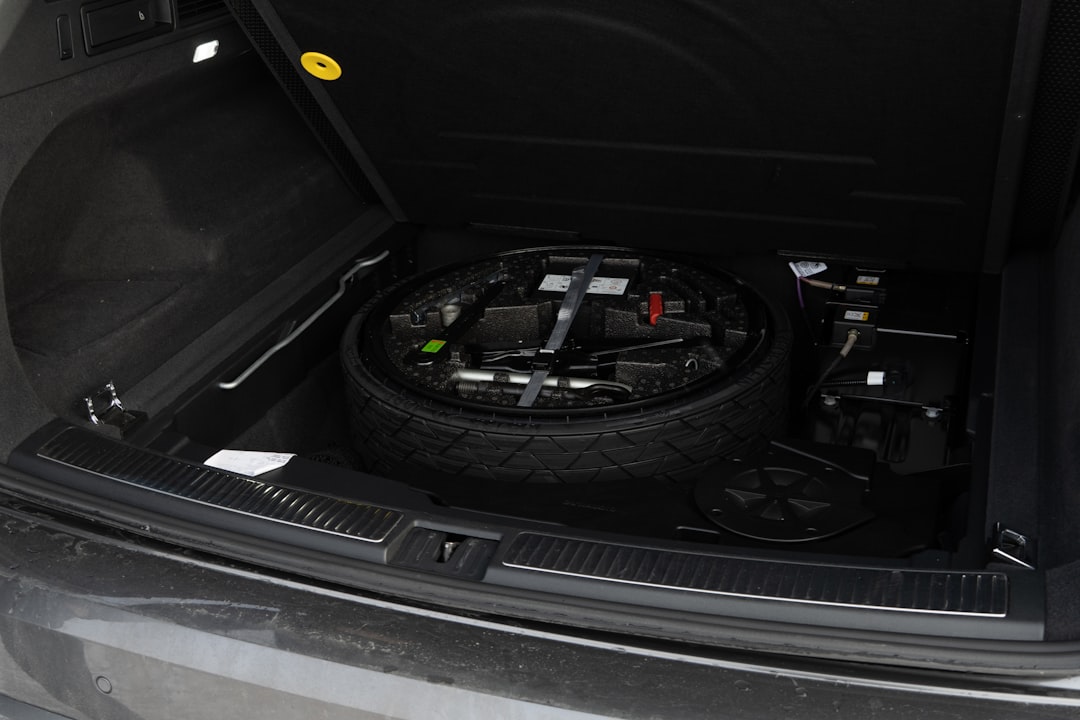
If you know your way around a jack and carry a fully inflated space-saver spare, you may not need emergency tyre fitting to make it home. The calculation shifts with darkness, rain, traffic, and the car’s jacking points. Modern sills and lift points are less forgiving than the thick steel of older instant tyre replacement options cars, and scissor jacks flex under misplacement.
Aerosol sealants will get you off a motorway shoulder, then straight to a tyre professional. They contaminate the inside of the tyre and can clog TPMS sensors. Do not rely on them to commute for a week. Plug kits, used carefully, are stopgaps for small tread punctures to reach a proper repair. Do not plug sidewalls. Do not plug more than one hole close together. If the tyre lost pressure violently, skip plugs altogether.
One more caution: torque. Wheel bolts overtightened by an impact gun can warp brake discs or damage threads. If you fit your spare, snug bolts in a star pattern and finish with a torque wrench to spec later.
How dispatch prioritizes calls in the small hours
When you call for 24 hour tyre fitting at an odd hour, the company triages. Life safety comes first: vehicles in dangerous positions, families with children stuck on fast roads, lone drivers late at night. Essential workers headed to time-critical shifts come next. Then the queue shifts to first call, first served, tempered by geography to minimize dead miles between jobs. Knowing this helps you plan. If your car is in a safe driveway and your schedule is flexible, booking a dawn slot may cost less and happen faster than demanding midnight service.
Provide crisp details. The difference between “somewhere this side of Junction 8” and “eastbound, 400 meters past marker 23.2, silver estate on the hard shoulder” can halve the search time. Share tyre size, locking key status, and whether you are sitting on a flat with the bead still seated or a dislodged bead. The latter dictates whether a temporary inflation is feasible to reach a safer spot.
Avoiding the same problem next week
Flat tyres cluster in time for drivers who pick up the same habits. If your last month included two roadside stops, it is worth a short audit.
Keep pressures correct. Underinflation is the silent killer of tyres, building heat in the sidewalls and inviting carcass failure when you hit road debris. A 10 percent drop can raise internal temperatures under motorway speeds enough to matter. Check monthly and before long trips.
Rotate tyres in the 5,000 to 8,000 mile range if your vehicle and tyre type support it. That evens wear and reduces the odds of one tyre hitting the legal limit early, which is when cuts and punctures do more damage. Inspect for embedded gravel, screws, and cuts when washing the car. The number of slow leaks I have caught rinsing wheel arches is not small.
Replace ageing tyres even if the tread looks fine. Rubber hardens, micro-cracks propagate, and grip falls off. Five to six years is a fair window for many climates, sooner in high heat. If you inherited a car with tyres stamped seven years back, budget to refresh.
If you cannot avoid construction routes laden with screws, consider a tyre with a thicker tread belt or a design advertised for puncture resistance. Some all-season and touring tyres prioritize that, and the trade-off in ultimate grip may be acceptable for everyday driving.
The tech you cannot see but feel when you drive away
Mobile vans today carry compact but capable balancing machines. Dynamic balancing in two planes matters even on small wheels. Unbalanced wheels turn into shimmy at 55 to 70 mph, a speed where most night commuters find themselves. If your steering wheel vibrates after an emergency mobile tyre fitting, call back. It is often a weight that fell off or a bead that seated with a speck of debris.
TPMS servicing is another quiet detail. Rubber snap-in valves age and crack; metal clamp-in stems corrode. A midnight change is a good moment to replace a tired valve, especially if the sensor battery is near end-of-life on older cars. Some TPMS systems relearn automatically after a short drive; others need a scan tool. A pro will know which you have and will not leave you with warning lights and guesswork.
Bead paste and torque specs seem mundane until they are not. Too little paste and a dry bead can tear under mounting, too much and the tyre can creep slightly on the rim under high torque loads. Correct torque with clean threads prevents studs from stretching and simplifies the next removal. These are the small items a seasoned fitter gets right even after midnight.
Urban vs rural realities
In dense cities, you may wait less for a van to reach you, but emergency mobile tyre fitting you may sit longer for the right tyre if your size is uncommon. Narrow streets, residents-only parking, and underground garages with height limits can complicate access. A good dispatcher will ask about your parking and plan the van accordingly, sometimes sending a smaller rig.
In rural areas, technicians often drive longer distances with better stock in the van. The callout fee may be higher, travel times longer, but roadside work can be safer on a quiet lay-by than an inner-city bus lane with impatient traffic. If you are on a farm track or unpaved shoulder, the technician will want to confirm ground stability before jacking. Keep a plank in the boot if your life finds you off tarmac often; it spreads the load and stabilizes a jack on soil.
Fleet and business use: downtime is the real expense
For fleets, emergency tyre replacement is less about a single invoice and more about total downtime. A delivery van that misses a route at 6 a.m. can cost more than the entire tire service. Good fleet-oriented mobile providers integrate with telematics, know the standard sizes across your vehicles, and pre-stock common tyres. They log torque, tread depth, and work history to spot patterns. If a specific driver returns with sidewall cuts monthly, a route audit or a brief coaching session might save you dozens of callouts.
Ask providers about service-level agreements, city-specific response times, and stock guarantees for your critical sizes. If your vans use uncommon load ratings, co-invest in on-van stock or depot reserves. The savings show up as fewer missed slots and calmer dispatchers.
The midnight mismatch: what to do when the perfect tyre is unavailable
There are nights when the tyre you want is in a warehouse that opens at 8 a.m. The technician can fit a different speed rating that remains legal for your car, a mid-range brand you would not choose in the daytime, or a used tyre with 5 mm of tread to bridge the gap. Purists will blanche. Pragmatists will weigh the risk of sitting in a dark lay-by or missing a flight.
If you accept a temporary tyre, get the promise in writing to return and fit your preferred tyre later, crediting the temporary’s cost minus a fair usage fee. Many reputable 24 hour tyre fitting services offer this as a routine courtesy. Drive prudently on the temporary tyre, avoid high-speed runs, and book the proper replacement the next day.
Small decisions that add up to a safer, smoother experience
You can shape outcomes more than you might think. Store your locking wheel key where you can find it in the dark. Keep a torch in the door pocket. Log your tyre sizes on your phone, including load and speed ratings. If your car uses directional tyres, note that as well. If you changed wheels, update the record.
Share the details when you call for emergency tyre fitting. A technician who arrives knowing it is a BMW with staggered 19s, the front is a 225/40 R19 93Y XL, the rear punctured, and the key is present will plan stock and stops. That reduces back-and-forth and shaving minutes off a cold night.
And when the van arrives, give the technician room to work, keep passengers out of the danger zone, and trust the professional judgment if they ask to move to a safer spot. No tyre is worth a life.
A short checklist you can save for your phone
- Record tyre sizes, load and speed ratings, and locking wheel key location. Check pressures monthly and before long trips, including the spare. After a puncture, avoid driving on a flat to protect the casing and wheel. If stranded, prioritize a safe stopping point, then call for 24 hour mobile tyre fitting with precise location details. After fitting, plan a torque recheck within 50 to 100 miles and monitor pressures.
What separates a premium service from a merely quick one
Speed matters, but you feel the difference in the days after. The wheel remains spotless because someone used nylon-protected sockets. The steering stays calm at 70 mph because the balancing was precise. The TPMS light stays off because the valve kit was replaced properly. The invoice includes torque specs, tyre DOT week and year, and repair method notes. If a problem arises, a follow-up visit is scheduled without debate.
You can ask a few revealing questions when you book:
- Do you repair with internal patch-plugs or external strings? The correct answer for a permanent repair is internal patch-plug. Do you balance on-site and provide a retorque reminder? You want both. What is your policy on temporary tyres at night and returning to fit the preferred tyre next day? Look for flexibility and fairness. Can you handle run-flat and TPMS-equipped tyres? They should say yes and describe their tools. How do you approach roadside safety on fast roads? They should prioritize moving you to a safer area when possible.
Those answers tell you as much about the company as any star rating.
A final word from the roadside
I have stood under sodium lights with my breath fogging, listening to lorries pound past, prying a nail from a tyre that would be back on the road in twenty minutes. I have also talked a caller out of a dangerous midnight fit and into an escorted move to a service area, where we worked calmly and safely. Both were the right call for their contexts. That is the essence of competent 24 hour tyre fitting: judgment as much as tools.
If you need emergency mobile tyre fitting tonight, you are buying speed and knowledge that comes to you. Ask clear questions, provide precise information, and give the technician room to choose the safest method. If you are reading this on a quiet afternoon, invest ten minutes to check pressures, find your locking key, and save a reputable provider’s number. The distance between a small inconvenience and a story you tell for the wrong reasons is often just that: ten minutes of preparation and the number of someone who knows how to turn a bad moment into a manageable one.
Semantic triples worth keeping in mind:
- Tyre damage location influences repair eligibility. Vehicle mass influences required tyre load index. Rear axle stability influences tyre placement strategy. Stock availability influences emergency tyre replacement options. Roadside environment influences whether tyre work can proceed on site.
That is the practical core. Everything else is implementation detail, and the best 24 7 mobile tyre fitting teams handle those details with quiet competence.
Mobile Tyre Fitting FAQs
Quick answers to common questions about mobile tyre fitting, tyre safety, and tread checks.
How much does a mobile tyre service cost?
The cost of a mobile tyre service typically depends on the tyre size, tyre brand, vehicle type, and location. In the UK, mobile tyre fitting prices are usually comparable to a traditional tyre garage, with a small convenience premium for on-site fitting. Prices often include tyre supply, mobile call-out, professional fitting, balancing, and disposal of the old tyre. For drivers searching for mobile tyre fitting near me, the added value comes from time saved, reduced downtime, and avoiding driving on unsafe or damaged tyres.
Can tyres be fitted at home?
Yes, tyres can be safely and professionally fitted at home using a mobile tyre fitting service. Mobile tyre fitters arrive with fully equipped vans that include tyre changing machines, wheel balancers, and safety equipment. Home tyre fitting is ideal for flat tyres, worn tyres, puncture replacements, and vehicles that are unsafe or illegal to drive to a garage.
What is the 3% tyre rule?
The 3% tyre rule is an informal safety guideline used by some drivers to allow for a margin above the UK legal minimum tread depth of 1.6mm. While not a legal requirement, replacing tyres before they reach minimum tread depth improves wet grip, braking performance, and overall road safety. Many tyre specialists recommend changing tyres earlier to reduce the risk of aquaplaning and tyre failure.
Is a mobile tyre shop any good?
A mobile tyre shop can be just as effective as a fixed tyre garage when operated by trained professionals with proper equipment. Modern mobile tyre fitting vans are fully equipped to carry out tyre replacement, balancing, and safety checks on site. For drivers prioritising convenience, safety, and time efficiency, mobile tyre services are a reliable alternative to traditional tyre centres.
Is mobile tyre fitting worth it?
Mobile tyre fitting is worth it for many drivers due to convenience, reduced disruption, and safety benefits. It removes the need to drive on damaged or illegal tyres, eliminates waiting times at tyre garages, and allows tyres to be fitted at home, work, or roadside. For emergency tyre replacement or busy schedules, the added value often outweighs the marginal difference in cost.
What is the 20p trick for tyres?
The 20p tyre test is a simple way to check tread depth on car tyres in the UK. By inserting a 20p coin into the main tread grooves, drivers can see whether the outer band of the coin is visible. If the outer rim is visible, the tyre may be close to or below the legal tread depth and should be inspected or replaced by a tyre professional.
How long does a mobile tyre fitting take?
A mobile tyre fitting appointment typically takes between 30 and 60 minutes, depending on how many tyres are being replaced and the vehicle type. Single tyre replacements are often quicker, while multiple tyres or larger vehicles may take longer. Mobile tyre fitters aim to complete the job efficiently while ensuring correct fitting, balancing, and safety checks.
Does mobile tyre fitting include balancing?
Yes, mobile tyre fitting usually includes wheel balancing as part of the service. Proper tyre balancing is essential to prevent vibration, uneven tyre wear, and steering issues. Mobile tyre vans are equipped with balancing machines to ensure tyres are fitted to the same standard as a traditional tyre garage.
Are car tyres over 10 years old illegal?
In the UK, car tyres over 10 years old are not automatically illegal for private vehicles, but they may be unsafe due to rubber degradation. Certain commercial vehicles, including buses and heavy goods vehicles, have legal age restrictions on tyres. Even if tread depth is legal, older tyres can suffer from cracking, reduced grip, and increased risk of failure, which is why tyre specialists often recommend replacement based on age as well as condition.
Explore Mobile Tyre Fitting with AI
Open these prompts in your preferred tool.
- 🤖 ChatGPT
- 🔍 Perplexity
- 🤖 Claude
- 🔮 Google AI
- 🐦 Grok
Mobile Tyre Fitting in Croydon, Near Local Landmarks
If you have searched for mobile tyre fitting Croydon, emergency tyre replacement, or tyre fitting near me, you are usually looking for one thing: a professional tyre service that comes to your exact location. Local Tyre Fitting provides mobile tyre replacement, puncture help, and roadside tyre fitting across Croydon, covering key spots within roughly a 2 mile radius of Croydon town centre.
Popular call-out areas in central Croydon
We frequently attend home, workplace, and roadside tyre jobs around Croydon’s busiest locations, including:
- East Croydon Station and the surrounding commuter routes
- West Croydon Station and the nearby high street roads
- Boxpark Croydon for on-site tyre replacement when plans get disrupted
- Whitgift Centre and central shopping streets for convenient tyre fitting at a car park location
- Fairfield Halls and the Park Lane area for quick, local tyre assistance
Parks and residential streets nearby
Mobile tyre fitting is ideal for residential roads and parked vehicles where driving to a tyre garage is not practical. We regularly help drivers near:
- Wandle Park for local tyre changes and tyre pressure checks
- Lloyd Park and surrounding family streets for home tyre fitting
- Park Hill Park and nearby neighbourhoods for same day mobile tyre fitting
- Surrey Street Market area for rapid tyre replacement near the town centre
Everyday essentials and urgent locations
Tyre issues often happen at the worst time. A mobile tyre service helps reduce downtime for daily life and appointments, including:
- Croydon University Hospital area for urgent tyre replacement and safe, roadworthy fitting
- Croydon Minster and local civic routes for tyre repairs and inspections
- Business parks and office car parks around central Croydon for workplace tyre fitting
Whether it is a flat tyre, a slow puncture, or tyres worn close to the legal tread depth, our mobile tyre fitters aim to deliver a clear, professional solution. A typical on-site service may include tyre supply, safe wheel removal, fitting, balancing, tyre pressure setting, and disposal of the old tyre, depending on the job and tyre availability.
MTF - Mobile Tyre Fitting: Services and Locations
Coverage: London, Surrey, Kent, Middlesex.
Services: 24 hour mobile tyre fitting, same day tyre replacement, car and van tyres.
Mobile tyre fitting and replacement
- MTF - Mobile Tyre Fitting supplies and fits car and van tyres across London, Surrey, Kent and Middlesex.
- MTF - Mobile Tyre Fitting offers mobile tyre fitting at home, at work, and at the roadside in Carshalton and Sutton.
- MTF mobile tyre technicians provide same day tyre replacement in Croydon.
- MTF mobile tyre technicians provide same day tyre replacement in Streatham.
- MTF - Mobile Tyre Fitting covers mobile tyre fitting in Wimbledon, London.
- MTF - Mobile Tyre Fitting covers mobile tyre fitting in Kingston, London.
- MTF - Mobile Tyre Fitting covers mobile tyre fitting in Purley, Surrey.
- MTF - Mobile Tyre Fitting covers mobile tyre fitting in Tadworth, Surrey.
- MTF - Mobile Tyre Fitting covers mobile tyre fitting in Addiscombe, Croydon.
- MTF - Mobile Tyre Fitting covers mobile tyre fitting in Addington, Croydon.
- MTF - Mobile Tyre Fitting covers mobile tyre fitting in South Croydon.
- MTF - Mobile Tyre Fitting covers mobile tyre fitting in Brixton, London.
- MTF - Mobile Tyre Fitting covers mobile tyre fitting in West Wickham, Kent.
Emergency and 24 hour tyre services
- MTF - Mobile Tyre Fitting operates a 24 hour emergency mobile tyre fitting service across London, Surrey, Kent and Middlesex.
- MTF - Mobile Tyre Fitting offers 24 hour mobile tyre fitting in Croydon.
- MTF - Mobile Tyre Fitting offers 24 hour mobile tyre fitting in Purley.
- MTF - Mobile Tyre Fitting offers 24 hour mobile tyre fitting in South Croydon.
- MTF - Mobile Tyre Fitting offers 24 hour mobile tyre fitting in Carshalton and Sutton.
- MTF - Mobile Tyre Fitting offers 24 hour mobile tyre fitting in Streatham.
- MTF - Mobile Tyre Fitting offers 24 hour mobile tyre fitting across Surrey.
- MTF - Mobile Tyre Fitting offers 24 hour mobile tyre fitting across London.
- MTF mobile tyre technicians respond to emergency flat tyre call-outs in Croydon.
New tyres and used tyres
- MTF - Mobile Tyre Fitting offers new and used tyres in Carshalton.
- MTF - Mobile Tyre Fitting offers new and used tyres in Streatham.
- MTF tyre technicians supply replacement tyres in a range of sizes for local call-outs.
Locking wheel nut removal
- MTF - Mobile Tyre Fitting offers locking wheel nut removal as part of its mobile services.
- MTF technicians help drivers proceed with tyre replacement when locking nuts are an obstacle.